what test determines type 1 or type 2 diabetes Gestational mellitus dangerous sportyoga
Diabetes is a serious disease that affects millions of people worldwide. Type 1 diabetes is a type of diabetes that usually occurs in children and young adults. It is an autoimmune disease where the body’s immune system attacks the insulin-producing beta cells in the pancreas, leading to a lack of insulin. Living with Type 1 diabetes can be challenging, and it’s important to be aware of the potential complications that can arise. Complications related to Type 1 diabetes can affect various parts of the body, including the eyes, kidneys, nerves and cardiovascular system. One of the most common complications of Type 1 diabetes is diabetic retinopathy, a condition that affects the blood vessels in the retina. Over time, high blood sugar levels can cause damage to these blood vessels, which can lead to vision problems or even blindness. It is important to attend regular eye check-ups, as early detection and treatment can help prevent the progression of diabetic retinopathy. Maintaining good blood sugar control, blood pressure control, and regular exercise can also help reduce the risk of developing diabetic retinopathy. Another complication related to Type 1 diabetes is diabetic nephropathy, which affects the kidneys. High blood sugar levels can cause damage to the small blood vessels in the kidneys, leading to the leakage of protein into the urine. If left untreated, diabetic nephropathy can progress to end-stage renal disease, requiring kidney dialysis or transplantation. Maintaining good blood sugar control, blood pressure control, and a healthy diet can help reduce the risk of developing diabetic nephropathy. Regular monitoring of kidney function through blood and urine tests can also help detect any early signs of kidney damage. Diabetic neuropathy is another complication related to Type 1 diabetes, affecting the nerves in the body. High blood sugar levels can damage the nerves, leading to symptoms such as numbness, tingling, and pain in the hands and feet. Maintaining good blood sugar control, regular exercise, and avoiding smoking can help reduce the risk of developing diabetic neuropathy. There are also medications that can be prescribed to help manage the symptoms of diabetic neuropathy. Finally, Type 1 diabetes can also increase the risk of cardiovascular disease, such as heart attack and stroke. High blood sugar levels can cause damage to the blood vessels and increase the risk of developing atherosclerosis, which is the build-up of plaque in the arteries. Maintaining good blood sugar control, blood pressure control, and cholesterol control can help reduce the risk of developing cardiovascular disease. Regular exercise and a healthy diet can also help improve heart health and reduce the risk of cardiovascular disease. In conclusion, Type 1 diabetes is a serious disease that requires careful management and monitoring to prevent complications. By maintaining good blood sugar control, blood pressure control, and a healthy lifestyle, the risk of developing complications related to Type 1 diabetes can be reduced. It is important to attend regular check-ups and seek medical advice if any symptoms arise.
If you are searching about Diabetes - A Simple Guide - Pedors Shoes Store you’ve visit to the right page. We have 5 Images about Diabetes - A Simple Guide - Pedors Shoes Store like Type 1 vs. Type 2 Diabetes, Pin on Diabetes and also Diabetes And 1 2 Difference - British Propolis 3. Read more:
Diabetes - A Simple Guide - Pedors Shoes Store
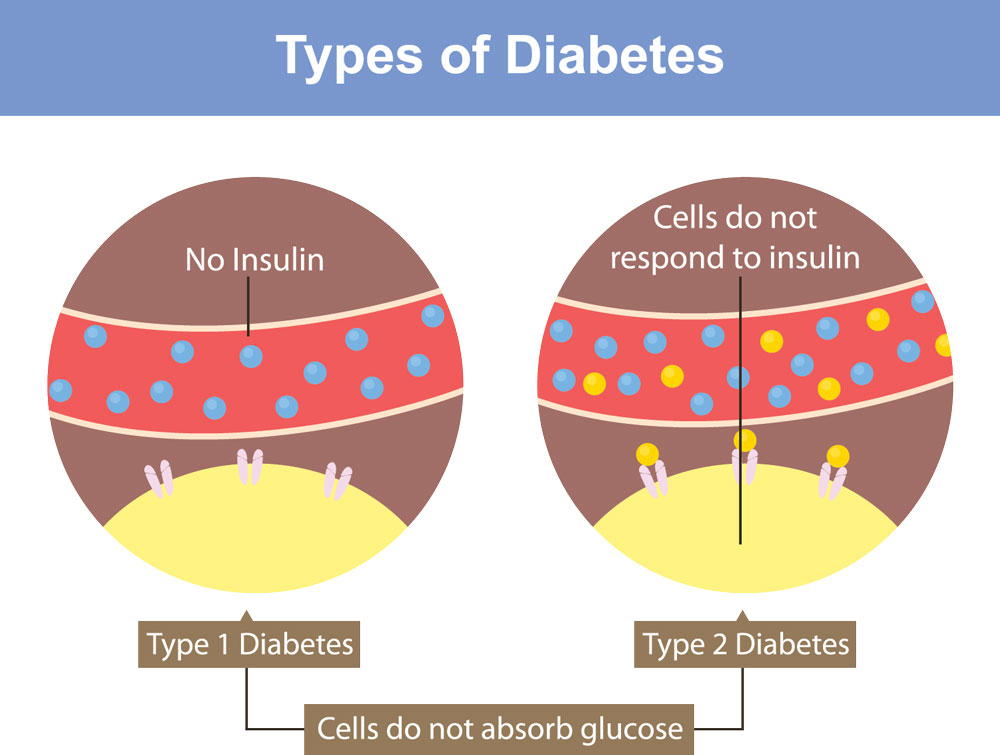 www.pedors.comdiabetes type types vs illustration insomnia simple type1 sulfonylureas differences difference between depicting two both insulin ii symptoms signs blood
Pin On Diabetes
 www.pinterest.comgestational mellitus dangerous sportyoga
Complications Related To Type 1 Diabetes - Medicalopedia
 www.medicalopedia.orgdiabetes type complications related clinical medicine reference
Diabetes And 1 2 Difference - British Propolis 3
 britishpropolistiga.blogspot.comdiabetes inspirations symptoms chidinma
Type 1 Vs. Type 2 Diabetes
 www.invincibleapp.comneedles facing
Complications related to type 1 diabetes. Type 1 vs. type 2 diabetes. Diabetes type complications related clinical medicine reference