how to interpret ftir spectra Interpreting ir specta: a quick guide – master organic chemistry
Have you ever wondered how scientists and researchers are able to identify the chemicals present in a substance, even at a molecular level? One such tool that plays a crucial role in chemical analysis is Fourier Transform Infrared Spectroscopy, or FTIR for short. FTIR works by measuring the absorption of infrared light by a sample, which can provide information about the chemical bonds present in that sample. This information can be used to identify the type and amount of compounds present in a substance, as well as its purity and other characteristics. To help with FTIR analysis, there are databases available that contain IR spectra for various compounds. These spectra serve as a reference for researchers to compare with their own data, in order to help identify unknown compounds. One such database is the IR Spectra Database for Inorganic Compounds, which contains thousands of infrared spectra of inorganic materials. Interpreting an FTIR spectra can be a complex process, as it involves analyzing the peaks and patterns present in the spectrum. However, with experience and knowledge, scientists can use FTIR to gain valuable insights about the chemical makeup of samples. To demonstrate how FTIR works, let’s take a look at an example spectrum. In the spectrum below, we can see a variety of peaks at different wavelengths, indicating the presence of different chemical bonds.
IR Spectrum Example
 Example IR spectrum showing various peaks and patterns.
One important factor to consider when analyzing an FTIR spectrum is the baseline. The baseline represents the intensity of the light shining through the sample, and it must be subtracted from the overall spectrum to get an accurate representation of the absorption by the sample. Another factor to consider is the resolution of the FTIR instrument. Higher resolution instruments are able to detect smaller peaks and patterns in the spectrum, which can provide more detailed information about the sample. Overall, Fourier Transform Infrared Spectroscopy is a powerful tool in the world of chemical analysis. By measuring the absorption of infrared light by a sample, scientists and researchers can gain valuable insights into the chemical makeup of substances, which can be used in a variety of applications, from drug development to environmental monitoring and beyond. FTIR Instrument Example
 Example of a Fourier Transform Infrared Spectrometer.
As technology continues to advance, we can expect to see even more powerful and precise instruments in the field of chemical analysis, helping us to better understand the world around us. If you are looking for Ir Spectra Database For Inorganic Compounds - QuyaSoft you’ve visit to the right place. We have 5 Pics about Ir Spectra Database For Inorganic Compounds - QuyaSoft like Ir Spectra Database For Inorganic Compounds - QuyaSoft, Fourier Transmission Infra-Red | FTIR and also Interpreting IR Specta: A Quick Guide – Master Organic Chemistry. Here you go:
Ir Spectra Database For Inorganic Compounds - QuyaSoft
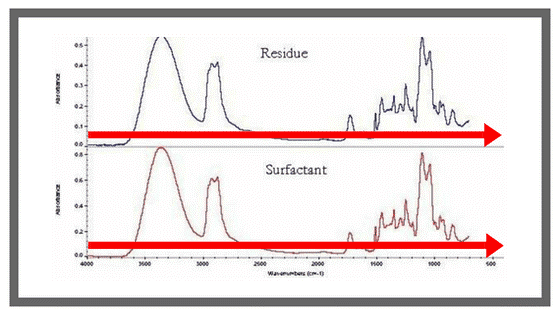
quyasoft.comFourier Transmission Infra-Red | FTIR
www.texpedi.comftir spectra analysis interpret results graph interpretation ir absorbance fourier purity quality spectroscopy between infrared bands analyze quarantine release interpreting
Interpreting IR Specta: A Quick Guide – Master Organic Chemistry
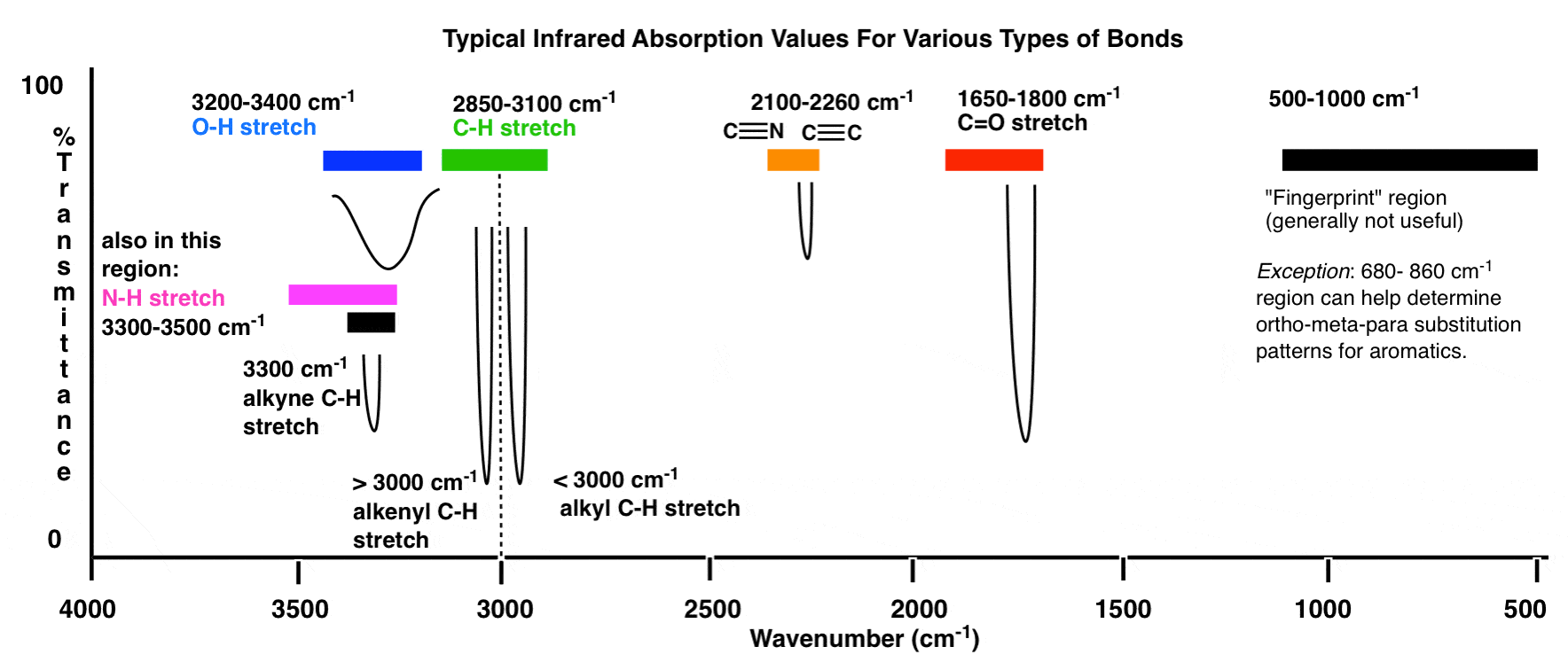 www.masterorganicchemistry.comir table spectroscopy mcat spectrum spectra chart organic chemistry infrared interpreting ranges analysis cm guide absorptions regions cheat
Interpreting IR Specta: A Quick Guide – Master Organic Chemistry
 www.pinterest.cair organic chemistry analysis interpreting spectra guide spectrum spectroscopy infrared quick look swords visit tongues sword narrow
Ir Spectrum Chart New Ir Spectra Table Peaks Maison Design Of Ir
 www.pinterest.comspectroscopy ftir chimicamo spectre analisi qualitativa stretches spettroscopia spektrum instrumentation bris chm regioni spettro fingerprint raman emille vibrazioni fondamentali
Interpreting ir specta: a quick guide – master organic chemistry. Interpreting ir specta: a quick guide – master organic chemistry. Spectroscopy ftir chimicamo spectre analisi qualitativa stretches spettroscopia spektrum instrumentation bris chm regioni spettro fingerprint raman emille vibrazioni fondamentali